Domestic Freight
Full Truckload (FTL)
Dedicated full-truck capacity for large shipments. Your freight moves directly from origin to destination with no stops.
What is full truckload (FTL) shipping?
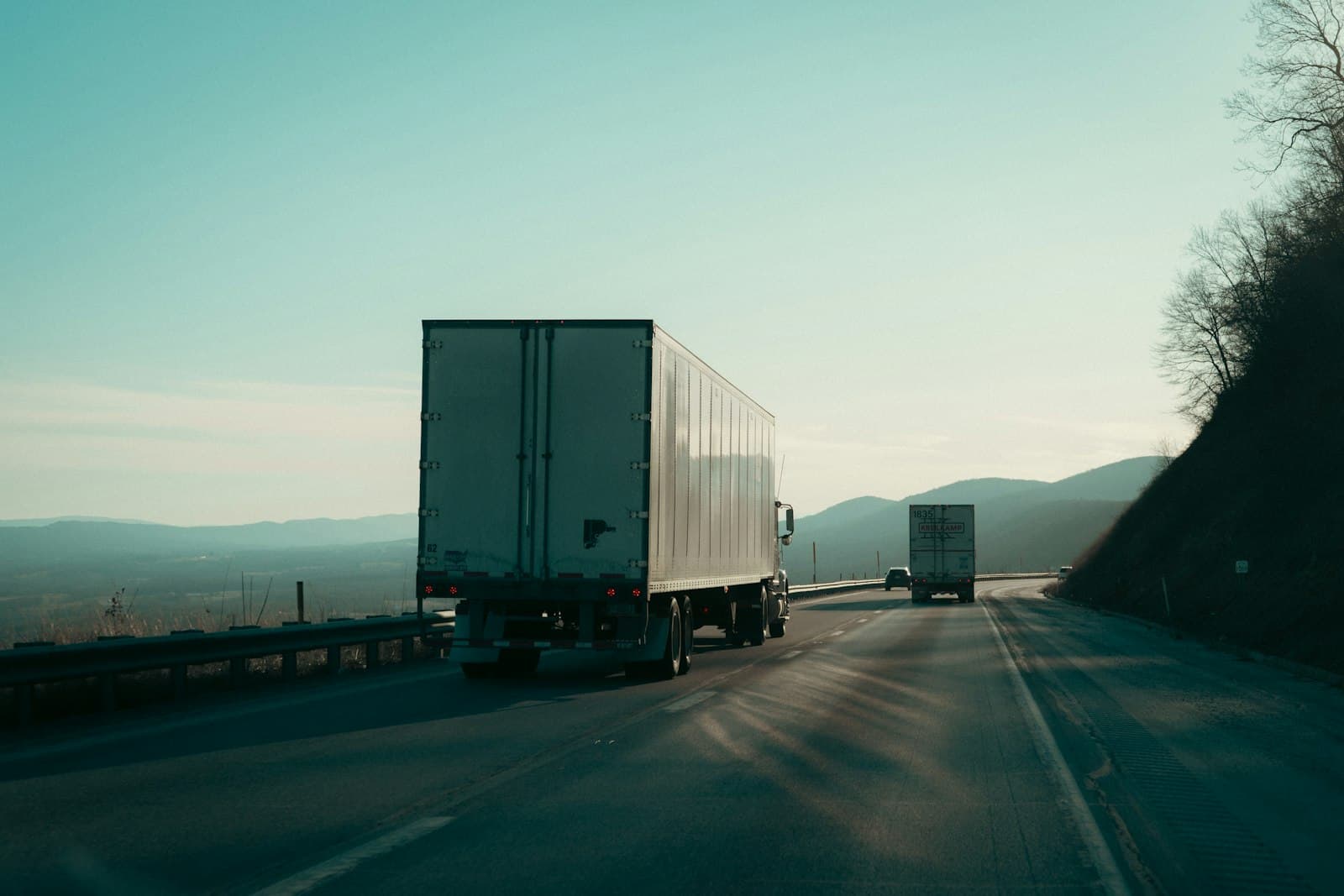
Full truckload shipping means your freight gets the whole trailer to itself. The truck loads at your dock and runs straight to the receiver, with no terminal stops and nobody else’s pallets on board. Since nothing gets loaded or pulled off along the way, your freight is handled less and usually arrives faster than it would by LTL.
FTL makes sense once you have enough to fill most of a trailer, typically shipments over 10,000 lbs. It’s also the safer pick for fragile or high-value loads you don’t want touched. The American Truck Inc. books the trailer the freight actually needs: a 53-foot dry van or a reefer, or a flatbed or step deck when it won’t go in a box. Every load runs with a vetted carrier, anywhere in the 48 states, and you can track it from pickup to delivery.
Direct routing
Point to point. No terminals, no transfers.
Real-time tracking
Live location and delay alerts on every load.
Any trailer
Dry van, flatbed, or temperature-controlled.
30-minute quotes
A firm rate back to you, around the clock.
Visibility
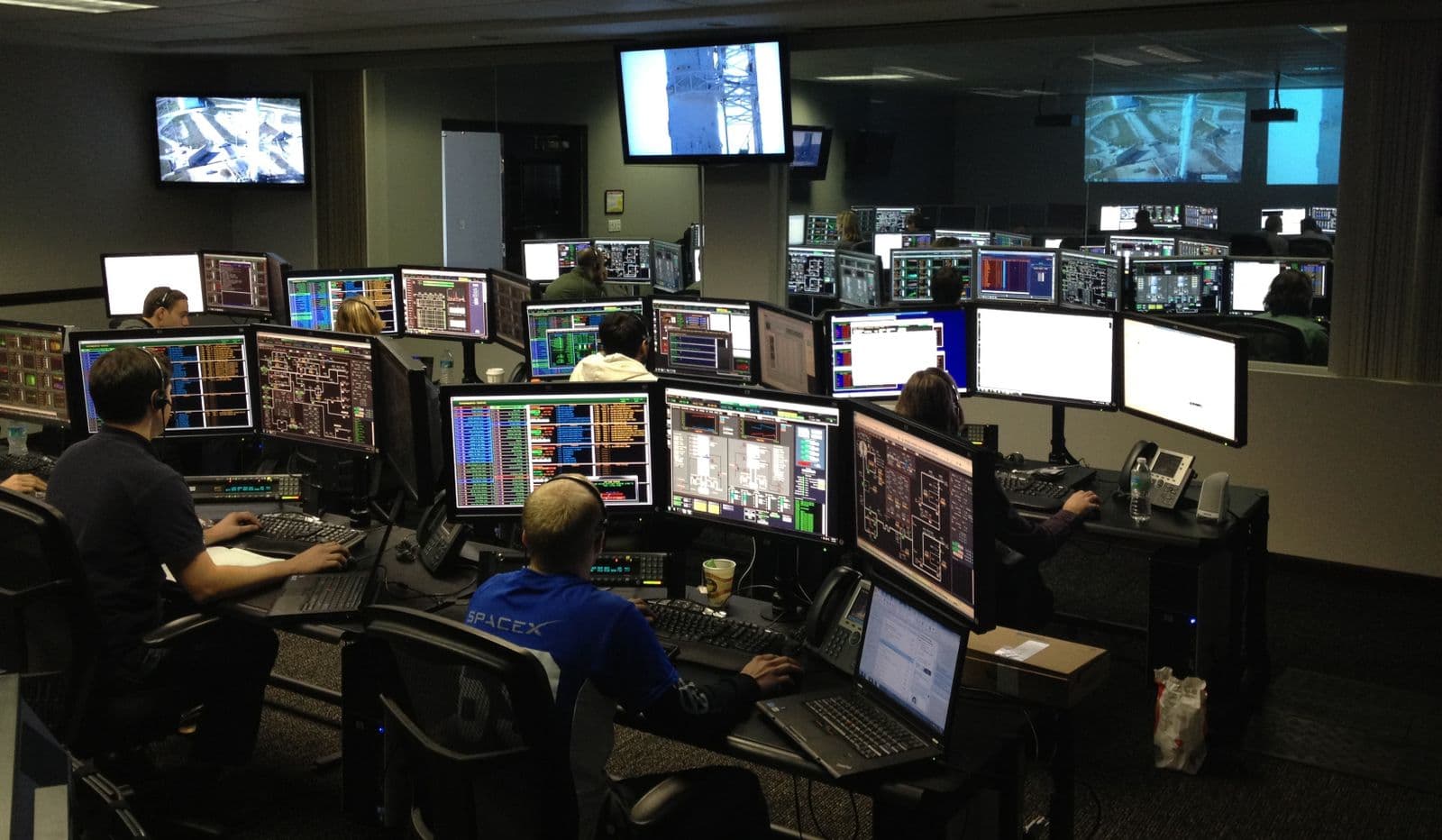
Always know where your freight is
Every truckload is tracked in real time, with GPS updates from pickup to delivery and proactive alerts if a load runs behind. Powered by Trucker Tools.
Equipment
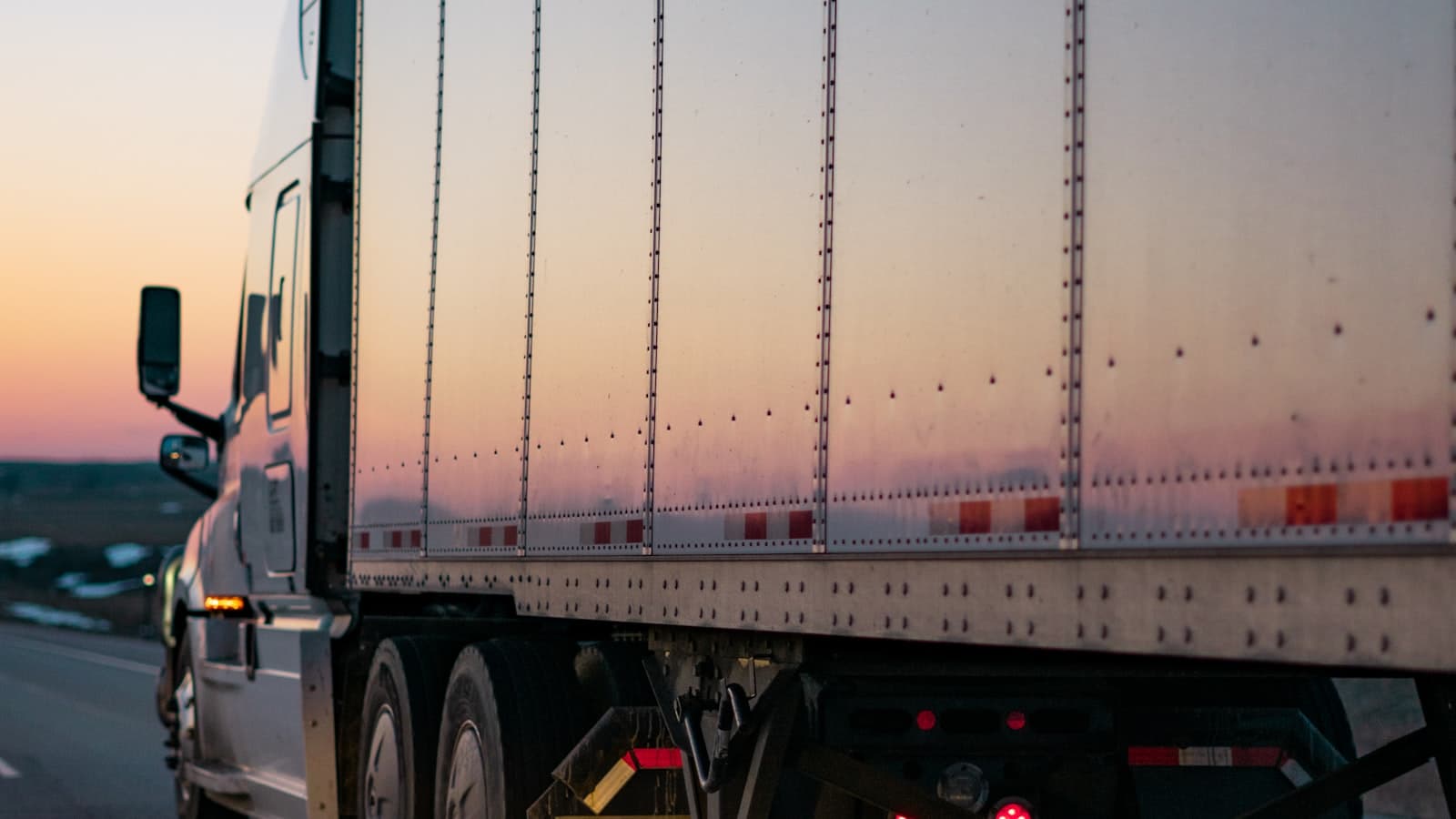
The right trailer for every load
Dry van, flatbed and step deck, or temperature-controlled reefer, matched to your commodity, weight, and lane.
COMMON QUESTIONS
How much weight can a full truckload carry?
A standard 53-foot dry van legally hauls roughly 42,000 to 45,000 lbs depending on tractor and trailer weight. Heavier freight can move on specialized equipment.
How is FTL different from LTL?
With FTL your freight has the entire trailer and moves point-to-point with no stops. LTL shares trailer space with other shippers and routes through terminals. FTL is faster and lower-risk for large or sensitive loads; LTL is more economical for small shipments.
How fast can you dispatch a full truckload?
For most lanes we confirm a vetted carrier within a few hours, and we respond to quote requests within 30 minutes, 24/7. For urgent moves, call us for immediate capacity.
Can I track my full truckload in real time?
Yes. We provide real-time tracking with location updates throughout transit and proactive alerts if a shipment is running behind schedule.
What trailer types are available for FTL?
Dry van, flatbed and step deck, and temperature-controlled reefer, matched to your commodity. We also book specialized equipment for oversized or heavy-haul freight.
How many pallets fit in a full truckload?
A 53-foot dry van holds 26 standard 48x40 pallets loaded straight, or up to 30 if they’re turned. Heavy freight can hit the trailer’s weight limit before the floor is full, so weight matters as much as pallet count.
When should I switch from LTL to a full truckload?
There’s no hard cutoff. Many shippers move to FTL once a load gets to around 10 to 12 pallets or fills most of a trailer. By then a truckload rate often works out cheaper per pound than LTL, and the freight stops getting rehandled at terminals. If you’re close to the line, ask us to quote it both ways.
FULL TRUCKLOAD (FTL) GUIDES
- FTL vs LTL: which saves moneyWhere the break-even sits between a shared trailer and a dedicated one.
- Why truck rates are rising in 2026Diesel, capacity and what it means for your lanes.
- Freight rate increases for 2027Every carrier GRI with its source, and what it adds to your budget.
- How to negotiate freight ratesWhat carriers and brokers will actually move on.
- How brokers vet carriersThe authority, insurance and fraud checks done before a load moves.
MORE SERVICES
All services →


READY TO MOVE YOUR FREIGHT?
Get a custom quote in minutes from our team of logistics experts.